How the UK Power Grid Works and What Fails First
Learn how electricity reaches your home, the roles of NESO and the six DNOs, why local blackouts happen and how to prepare, respond and recover.
Prepper Hill UK preparedness tier
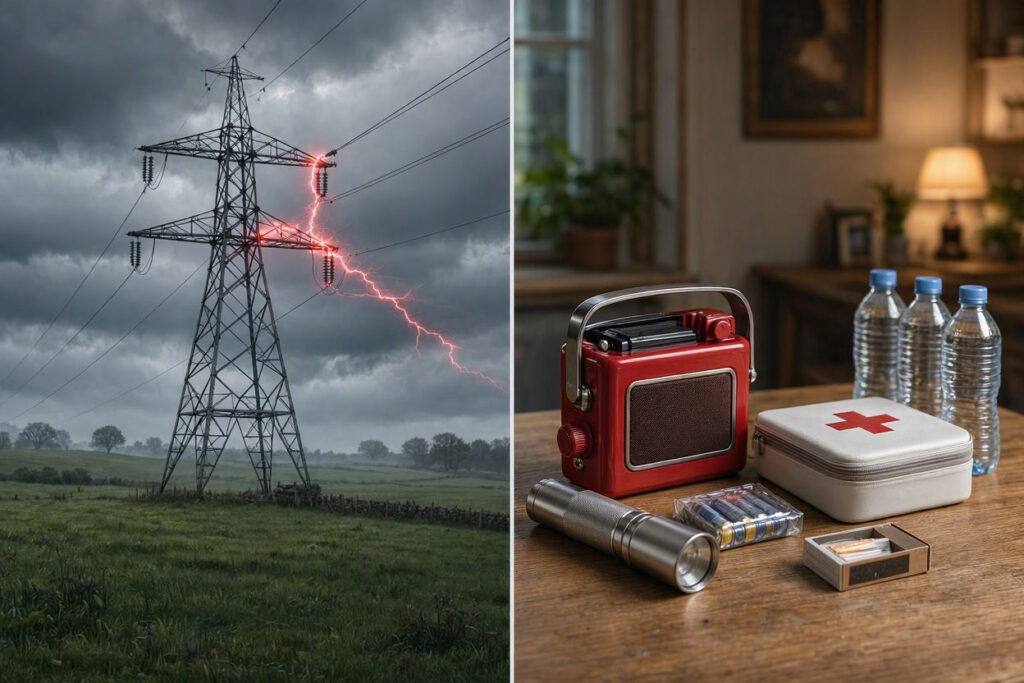
Learn how electricity reaches your home, the roles of NESO and the six DNOs, why local blackouts happen and how to prepare, respond and recover.
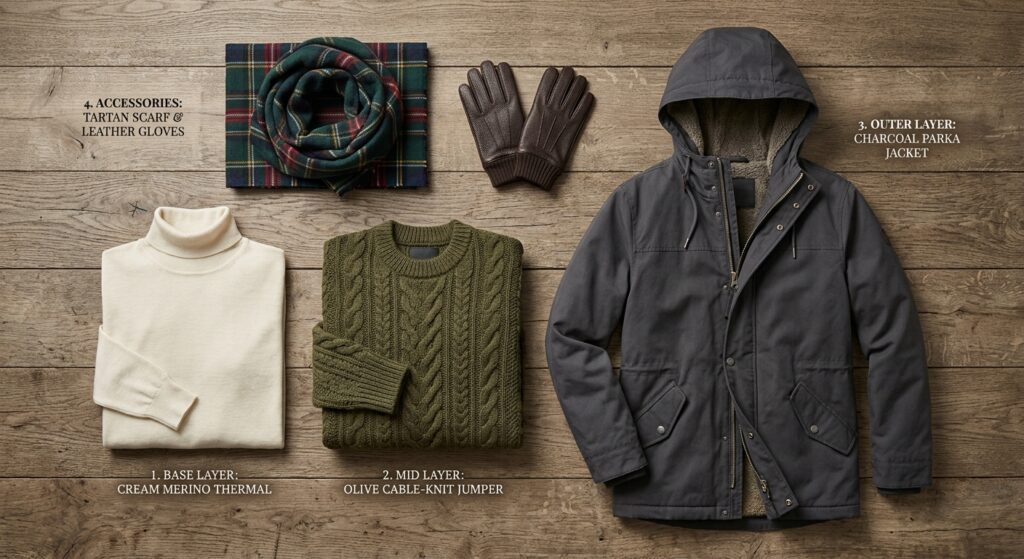
When the temperature drops, staying warm isn’t about one thick jacket — it’s about a system. Understanding how to layer properly can mean the difference between a miserable day and a dangerous one. The Three Layers 1. Base Layer — Manage Moisture Your base layer’s job is to move sweat away from your skin. Wet
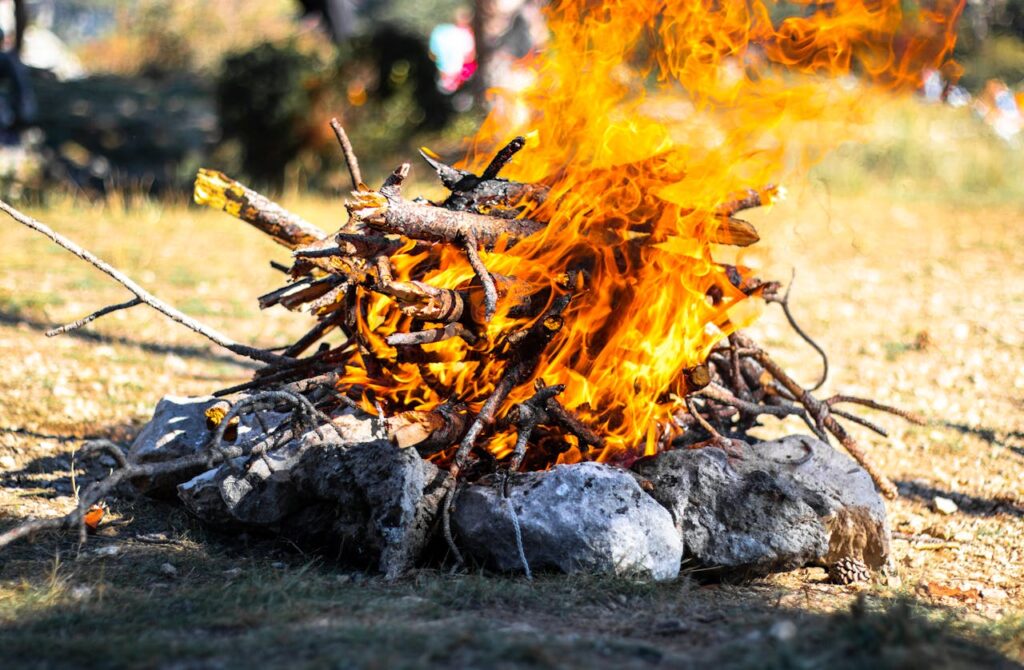
Fire is the oldest survival tool and the most important. It provides warmth, light, a way to purify water, the ability to cook food, a psychological boost that is difficult to overstate, and a signalling capability. In any emergency situation, the ability to make fire reliably separates a survivable situation from a desperate one. The
Water is not optional. A human can survive three weeks without food but only three days without water. In any situation where the mains supply is interrupted or suspect, finding and treating water becomes the most urgent priority. The good news: clean water is all around you. Rain, rivers, streams, puddles, condensation, water trapped in
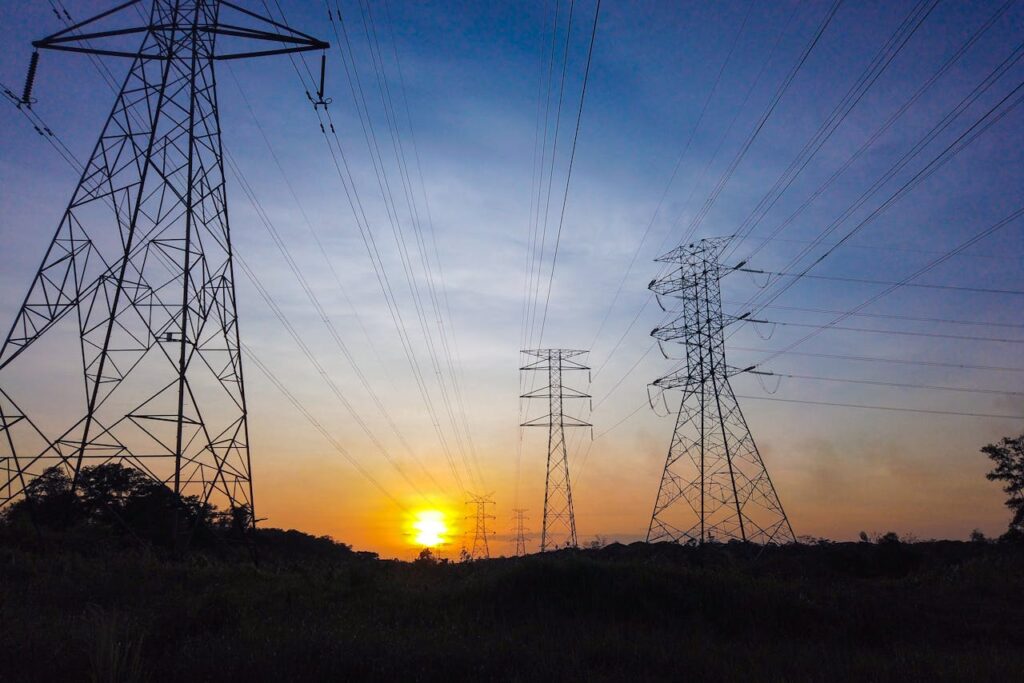
Power cuts used to be rare. Most people under forty have never experienced one that lasted more than a few hours. That changes the equation entirely — not because the risks are new, but because the knowledge to handle them has eroded from everyday life. A power outage isn’t a disaster in itself. What makes